
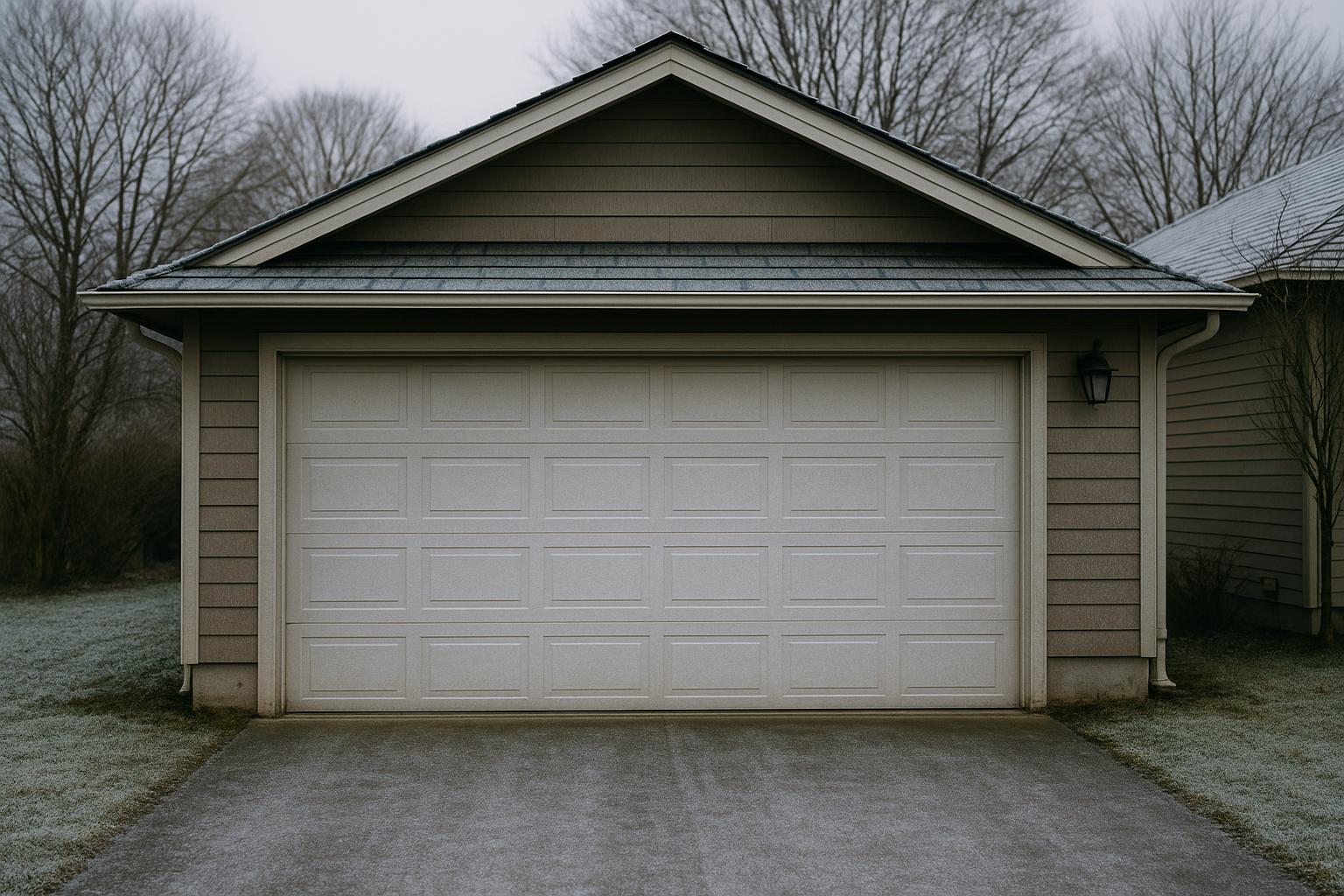
Winter Weather and Your Garage Door: What Hillsboro Homeowners Should Know
When temperatures drop in Hillsboro, most of us think about winterizing our homes — checking the furnace, sealing drafts, and stocking up on firewood. But there's one part of your home that takes a serious beating in cold weather and rarely gets the attention it deserves: your garage door.
Your garage door is the largest moving part of your home. It has metal springs under extreme tension, a motorized opener, rollers, tracks, and weatherstripping — all of which respond to temperature changes. When winter settles into the Tualatin Valley and mornings dip below freezing, these components can stiffen, contract, and malfunction in ways that catch homeowners off guard.
Let's walk through the most common cold-weather garage door problems and what you can do to prevent them.
1. Metal Parts Contract in the Cold
Metal contracts when it gets cold. That's basic physics, and it directly affects your garage door system. The steel tracks your door rides on can tighten slightly, creating more friction. Springs lose some of their flexibility. Hinges and rollers may feel sluggish or stiff.
The result? Your garage door might move slower than usual, make grinding or squealing noises, or struggle to open fully. In some cases, the opener motor has to work harder to compensate, which can shorten its lifespan over time.
What You Can Do
- Apply a silicone-based lubricant to the springs, hinges, rollers, and tracks before cold weather arrives. Avoid WD-40 — it's a solvent, not a long-term lubricant.
- Listen for unusual sounds when operating the door. Grinding, popping, or scraping noises in winter often signal parts that need lubrication or adjustment.
2. Garage Door Springs Can Break More Easily
Torsion and extension springs are under constant tension, and cold temperatures make the steel more brittle. A spring that was already nearing the end of its lifespan is much more likely to snap during a cold snap — pun intended.
A broken spring is one of the most common emergency calls we get during Hillsboro winters. When it happens, your garage door becomes extremely heavy and dangerous to operate manually. The opener alone usually can't lift the door without functioning springs.
What You Can Do
- Have your springs inspected before winter. If they're showing signs of wear — rust, gaps in the coils, or uneven stretching — it's better to replace them proactively than to deal with a failure on a freezing morning.
- Never attempt to replace garage door springs yourself. They carry enough force to cause serious injury. This is a job for a trained technician.
3. Weatherstripping Stiffens and Cracks
The rubber weatherstripping along the bottom of your garage door and around the frame is designed to seal out drafts, rain, and debris. But rubber hardens in cold temperatures. Over time, it can crack, shrink, or lose its seal entirely.
When this happens, cold air, rain, and even small pests can get into your garage. If your garage is attached to your home — as most are here in Hillsboro and the surrounding areas like Aloha and Beaverton — a broken seal means your heating system has to work harder to keep your house warm.
What You Can Do
- Inspect the weatherstripping around your garage door at least once a year. Look for visible cracks, gaps, or sections that have pulled away from the door.
- Replacing weatherstripping is relatively affordable and can make a noticeable difference in your energy bills and garage comfort during winter.
4. The Garage Door Can Freeze to the Ground
This is more common than you might think, especially after a stretch of rain followed by a hard freeze. Water collects along the bottom seal of the garage door and freezes overnight, essentially gluing the door to the garage floor.
If you try to open the door with the opener while it's frozen shut, you risk damaging the opener, stripping the gears, or even tearing the bottom panel of the door.
What You Can Do
- If you suspect the door is frozen, don't just hit the opener button repeatedly. Try gently breaking the seal by tapping along the bottom edge of the door from inside the garage.
- You can use a heat gun or hair dryer to carefully melt the ice along the bottom seal. Never use boiling water — it can refreeze quickly and make the problem worse.
- To prevent freezing, keep the area where the door meets the floor clear of standing water. A thin layer of silicone spray on the bottom seal can also help prevent ice from bonding.
5. Opener Sensitivity Issues
Most modern garage door openers have force and sensitivity settings that tell the motor how much resistance to expect when opening or closing the door. In cold weather, increased friction and stiff components create more resistance than the opener is calibrated for.
This can cause the door to stop partway, reverse unexpectedly, or refuse to close completely. Many homeowners assume the opener is broken when it's actually just a calibration issue made worse by the cold.
What You Can Do
- Check your opener's manual for instructions on adjusting the force settings. Small adjustments can often resolve the issue.
- If you're not comfortable making adjustments yourself, a quick service call can get everything dialed in properly. Incorrect force settings can create safety hazards, so it's worth getting right.
6. Your Garage Door Panels Can Warp
Wooden garage doors are especially vulnerable to temperature and moisture fluctuations. The wet winters we experience in the Hillsboro area — stretching from Cornelius to Forest Grove and down through Tigard — create the perfect conditions for wood panels to absorb moisture, swell, and then contract as temperatures change.
Even steel and aluminum doors aren't immune. Repeated expansion and contraction cycles can cause panels to warp slightly, leading to gaps, uneven movement, or difficulty closing flush.
What You Can Do
- If you have a wooden garage door, make sure it's properly sealed and painted. Exposed wood absorbs moisture much faster.
- For steel or aluminum doors, inspect the panels for dents, bowing, or misalignment. Small issues caught early are much cheaper to fix than full panel replacements.
A Simple Winter Maintenance Checklist
You don't need to be a garage door expert to keep your door in good shape through winter. Here's a quick checklist to run through before the cold really sets in:
- Lubricate all moving parts with a silicone-based lubricant.
- Inspect weatherstripping for cracks or gaps and replace if needed.
- Test the door's balance by disconnecting the opener and lifting the door manually. It should stay in place when opened halfway. If it doesn't, the springs may need adjustment.
- Clear debris from the tracks and wipe them down.
- Test the auto-reverse safety feature by placing a board under the door.
- Listen for unusual noises during operation and address them promptly.
When to Call a Professional
Some winter garage door issues are simple fixes you can handle on your own. But if you're dealing with a broken spring, a door that's off its tracks, an opener that won't respond to adjustments, or panels that are visibly warped, it's time to call in a professional.
At Hillsboro Garage Door Pro, we help homeowners across Hillsboro and the surrounding communities keep their garage doors working reliably through every season. We'll show up on time, explain exactly what's going on in plain language, and get the job done right — no pressure, no upselling.
If your garage door is giving you trouble this winter, give us a call. We're happy to take a look and help you figure out the best path forward.